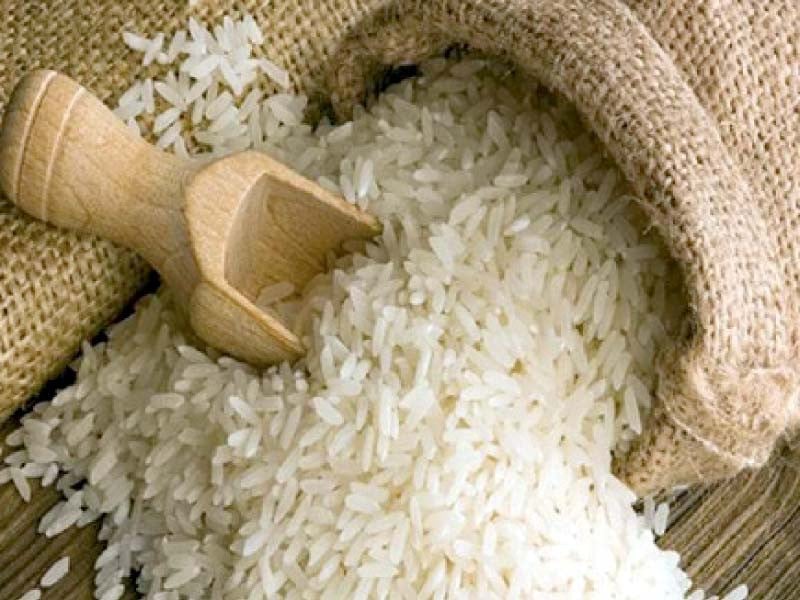
Pakistan-China agricultural cooperation is expanding through hybrid seeds, research centres, chilli exports, fruit trade and fisheries projects. The collaboration is being advanced under CPEC’s second phase as both countries approach 75 years of diplomatic ties in 2026.
Pakistan’s agricultural partnership with China is widening as both countries move towards marking 75 years of diplomatic relations in May 2026, with cooperation increasingly centred on seeds, research, exports, training and farm technology.
According to an Express Tribune report, the growing use of Chinese hybrid rice in Punjab reflects a broader shift in bilateral ties, with agricultural collaboration emerging as a major area of engagement beyond traditional diplomacy and infrastructure links.
The report said China, which recognised by Pakistan in 1951, transformed its own farm sector over the decades through policy reform, hybrid seed development, precision irrigation and digital supply systems. By 2024, it was producing more grain per hectare than most other large countries, supported by advances including drone spraying, satellite-guided tractors and rapid cold-chain transport.
That experience is now feeding into Pakistan-China cooperation under the second phase of the China-Pakistan Economic Corridor, where agriculture has moved to the forefront. The report said the arrangement serves both sides: China is seeking dependable supply chains for edible oil, meat, protein and high-value fruit, while Pakistan needs technology, investment and access to markets.
Research, seeds and training
The collaboration is visible in Punjab and Sindh, the report said. At the University of Agriculture Faisalabad, Chinese seed technology adopted by researchers has raised per-acre maize yields above national averages. Soybean cultivation has also expanded from a previously limited base, with the crop being processed into meal that partly substitutes imported feed and oil, helping save foreign exchange while offering farmers another crop option.
The report further said the Pakistan-China Hybrid Rice Research Centre at the University of Agriculture Faisalabad, run jointly with Longping High-Tech, has introduced several rice varieties suited to different ecological conditions. At Pir Mehr Ali Shah Arid Agriculture University in Rawalpindi, the Sino-Pak Centre of Excellence for Agricultural Advanced Technologies is training breeders and agronomists.
It added that Pakistani students are pursuing doctoral studies in agronomy, food safety and supply chain management at Chinese universities each year under a bilateral talent programme, describing the exchange of human capital as a key part of the partnership.
Chilli, fruit, meat and fisheries
In Sindh, the report said chilli production has changed significantly since 2020. Pakistan had previously produced relatively small quantities of chilli and faced export obstacles because of weak drying methods and high aflatoxin levels. A contract-farming arrangement between Chinese spice firms and local growers introduced hybrid chilli seeds, drying machinery and a direct export route to China’s Sichuan province.
Within three seasons, the report said, thousands of small farmers were supplying low-moisture chilli to Chinese buyers. It added that the shift increased incomes, created work for women on sorting lines and gave China a more dependable source of chilli.
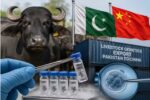
The cooperation is also moving in the other direction. The report said Pakistani mangoes and oranges are reaching consumers in Chinese cities within days through modern cold storage and a quarantine facility at the Sost border post. It added that a foot-and-mouth disease-free compartment in Punjab, developed to meet Chinese sanitary requirements, has enabled heat-processed meat exports, while frozen-product protocols are expected to pave the way for Pakistani halal beef and mutton to enter China’s protein market.
Along the Makran coast, fishermen are using China-assisted offshore fish cages to rear sea bass and cobia, with the harvest already appearing in Gwadar and expected to reach Guangzhou as well, the report said.
Institutional support under CPEC
The report said these projects are supported by the Joint Committee on Agriculture, a dedicated CPEC working group, and planned investment in fertiliser and pesticide plants in Special Economic Zones. It added that an agricultural industrial park near Gwadar is being designed to process fruit and seafood for export and is expected to create thousands of jobs.
According to the report, the cooperation is also producing practical changes at farm level, including the use of smartphone applications linked to weather stations donated through a Xinjiang agricultural extension programme, and the deployment of drip irrigation systems by a Chinese agricultural machinery company in Bhakkar.
The report said China’s agricultural transformation was built over many years and that Pakistan’s progress would also take time. But as the two countries approach the 75th anniversary of diplomatic ties, it said the expanding farm partnership shows how bilateral relations are increasingly being shaped through grain, fruit, meat, fisheries and agricultural technology.